






Hungary’s climate and natural conditions are excellent for grape growing. Drinking Hungarian wine is worthwhile not only because it is made from outstanding ingredients, but also because the local wine scene offers an incredibly diverse range of styles, making every discovery an exciting experience.
But what characterizes Hungarian wine and winemaking today? Where does Hungarian wine culture currently stand, and in which direction might it develop in the future? In this article, we not only explore these questions, but also introduce wineries that are definitely worth getting to know more closely.
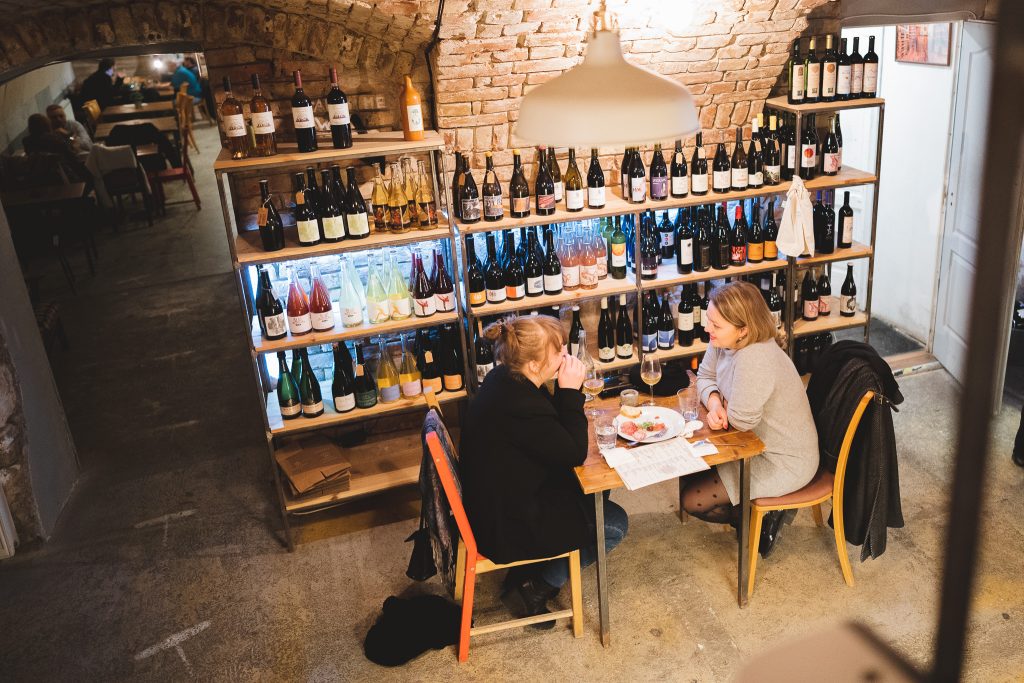
Characteristics of Hungarian winemaking
Hungary is a traditional wine-producing country, and our wine culture has not only a rich past but also a present that is experiencing a true renaissance. The area suitable for grape cultivation is extensive, and our diverse soil and climate conditions make it possible to grow a wide variety of grape varieties and produce many different types of wine something that is quite rare even in international terms.
Practically wherever you travel in the country, you can encounter an exciting wine region along the way. Within Hungary’s six wine regions, there are twenty-two officially recognized wine districts.
Today, the legal framework governing the wine sector in Hungary is largely based on the unified regulations that apply to all European Union member states. However, unique characteristics whether related to terroir or grape varieties continue to give Hungarian wines their own distinctive identity.
The most popular Hungarian wine varieties and wine regions
Although Hungary is primarily known for producing white wines, our red wines have also gained international recognition, and of course, excellent rosé wines are also widely available from domestic wineries. Our viticulture includes 223 grape varieties cultivated across more than 65 000 hectares.
Hungarian white wines represent a unique world, where the flavors of grapes grown on volcanic soils blend with floral and fruity notes. Around 70% of Hungary’s vineyards are planted with white grape varieties, covering approximately 45,589 hectares.
The diverse Furmint grape preserves centuries-old traditions and is used to produce both dry and sweet wines. Its aroma often combines fruity notes with hints of clove. Another iconic Hungarian variety is Hárslevelű, known for its light, fruit-forward character both in aroma and taste.
Hungary is often referred to as a powerhouse of Olaszrizling, which reflects how widespread and popular this grape variety is in the country. Its flavor profile is often characterized by almond notes, with a refreshing and fruity character.
A true rarity is the indigenous Hungarian Juhfark, which several winemakers are working to preserve, as it nearly disappeared before the 1990s. Its primary growing region is the Somló wine region, and its taste is complex and distinctive.
In the Tokaj wine region, the often long-aged Szamorodni is highly popular, while Irsai Olivér, known for its muscat-like flavor and gentle acidity, has gained widespread popularity across the country. Another unique treasure is Cserszegi Fűszeres, a cross between Irsai Olivér and red Traminer, notable for its intense flavors and aromas.
Among Hungarian red wines, Kékfrankos is particularly popular, valued for its spicy and fruity profile. Merlot is also well-liked for its richness and full body, while Kadarka stands out with its vibrant red berry aromas and exciting character. We should also mention the distinctive and full-bodied Kéknyelű, as well as Kékoportó (Portugieser), which is soft, rich in color, and high in tannins, making it a favorite among many.
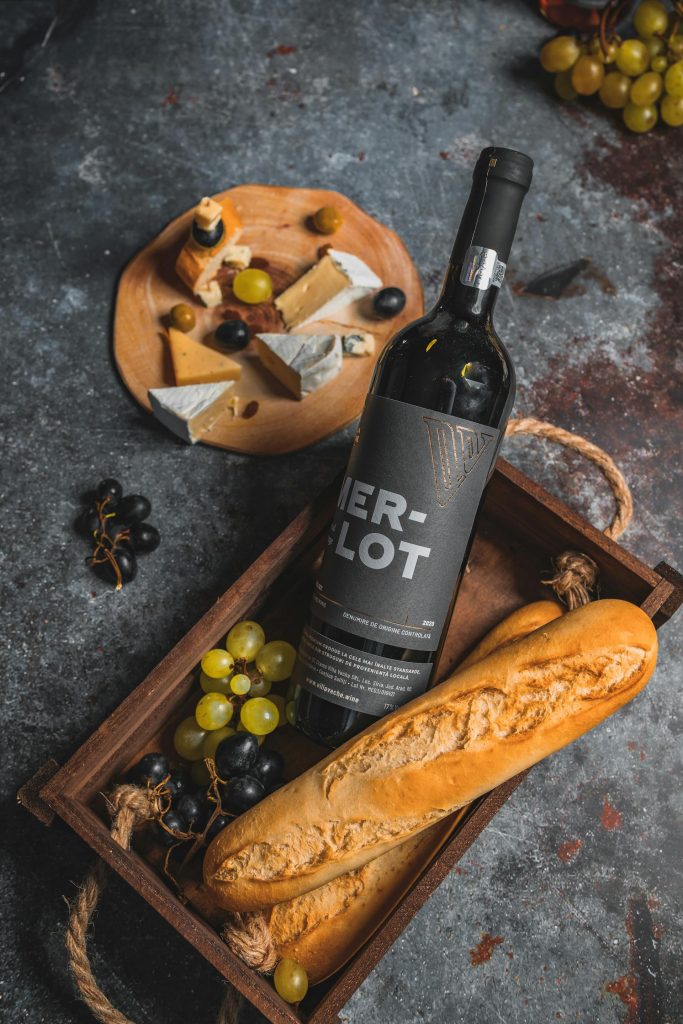
Internationally, Hungary’s most renowned wine is undoubtedly Tokaji Aszú, which has been part of the Hungarikum Collection since 2013. Similarly rich in historical heritage is Egri Bikavér, also recognized as a Hungarikum, famous for its beautiful deep red hues.
Rosé wines made from blue grapes represent another special category in Hungary, offering vibrant, fruity notes and stunning colors. (As is known, during rosé production, the must is not left in contact with the crushed grape skins for as long as in red wine production.)
This list is far from complete, as it would be impossible to enumerate all Hungarian varieties, especially since new flavor profiles and aromas continue to emerge year after year.
As for the most popular wine regions, it is perhaps impossible to give a definitive answer, as each region is characterized by different grape varieties and wine styles. It is therefore worth experimenting to discover which region’s wines best suit your personal taste. The red wines of the Villány region offer just as unforgettable an experience as the remarkable wines of Tokaj or the masterpieces of the Szekszárd region.
Exciting Hungarian wineries
And if we thought that the wide range of wine regions already offers plenty to explore, we haven’t even mentioned the countless exciting Hungarian wineries found within each region. The very same wine can appear in a completely different guise as a winemaker’s masterpiece—so it’s well worth staying open-minded and experimental in this field as well.
Laposa winery
One of the most beloved wineries of Badacsony attracts visitors not only with its stunning Balaton panorama. Their grape varieties grow on the magical slopes of volcanic witness hills, whose character is preserved in timeless wines. Alongside the wines, you’ll also find exciting gastronomic experiences, so there is certainly no shortage of exquisite flavors and breathtaking views.
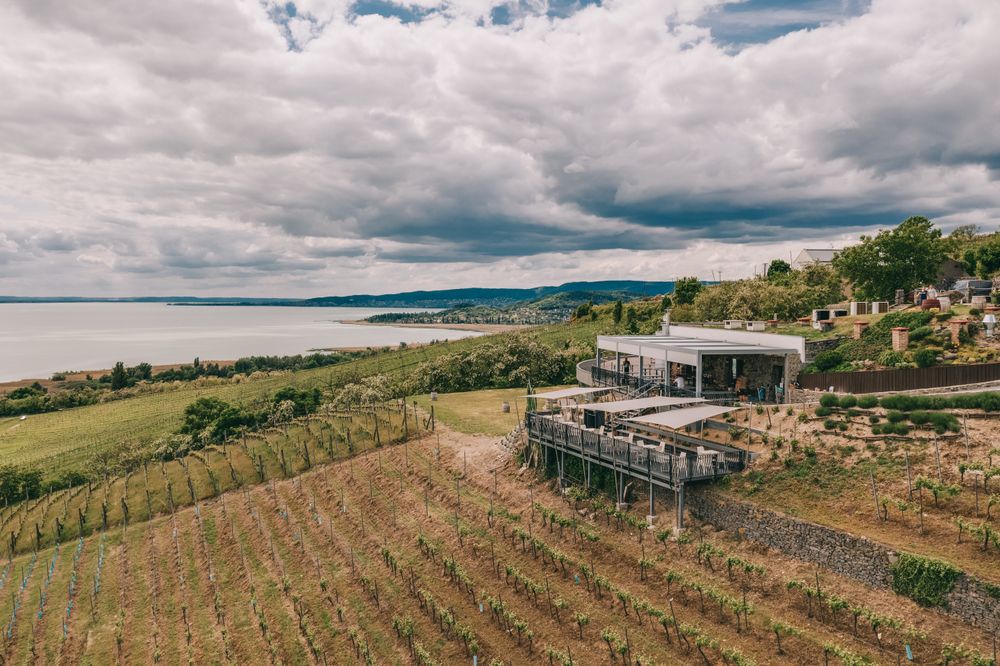
Feind winery
Another jewel on the shores of Lake Balaton, where winemaking takes place across 130 hectares with 20 grape varieties. The winery’s main focus is on aromatic white and rosé wines, though intriguing reds also appear in their portfolio. They continuously experiment with new production principles and technologies.
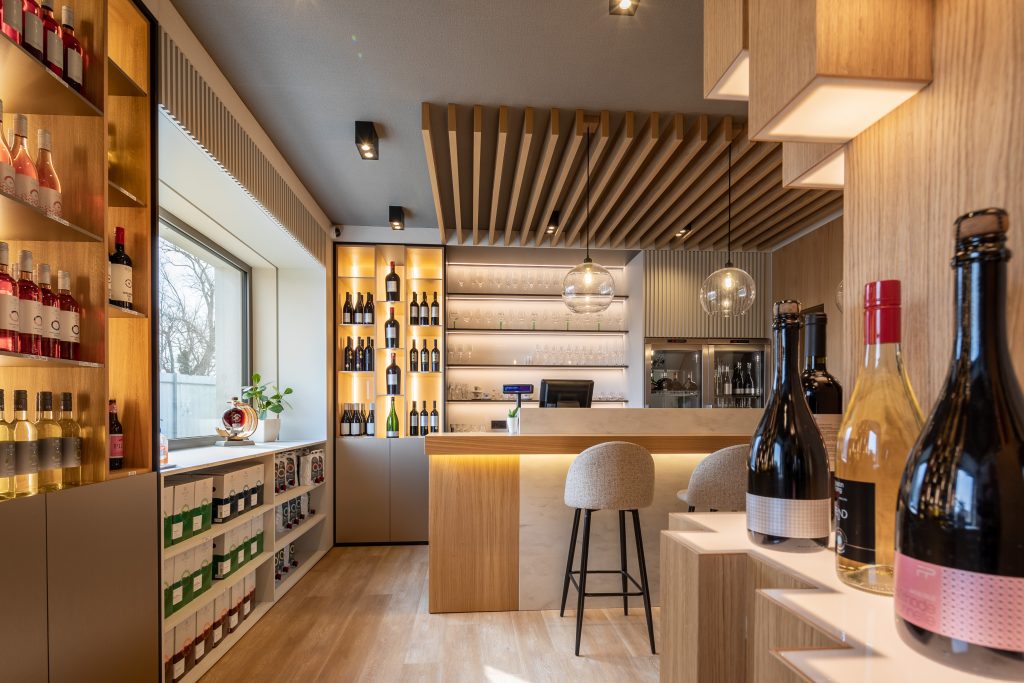
Nyakas winery
Located at the foot of Nyakas Hill near Zsámbék, this winery primarily produces fresh, aromatic reductive white wines. Reductive winemaking is an excellent method for preserving freshness and fruitiness by minimizing oxidation and at Nyakas, you’ll encounter truly exciting selections.
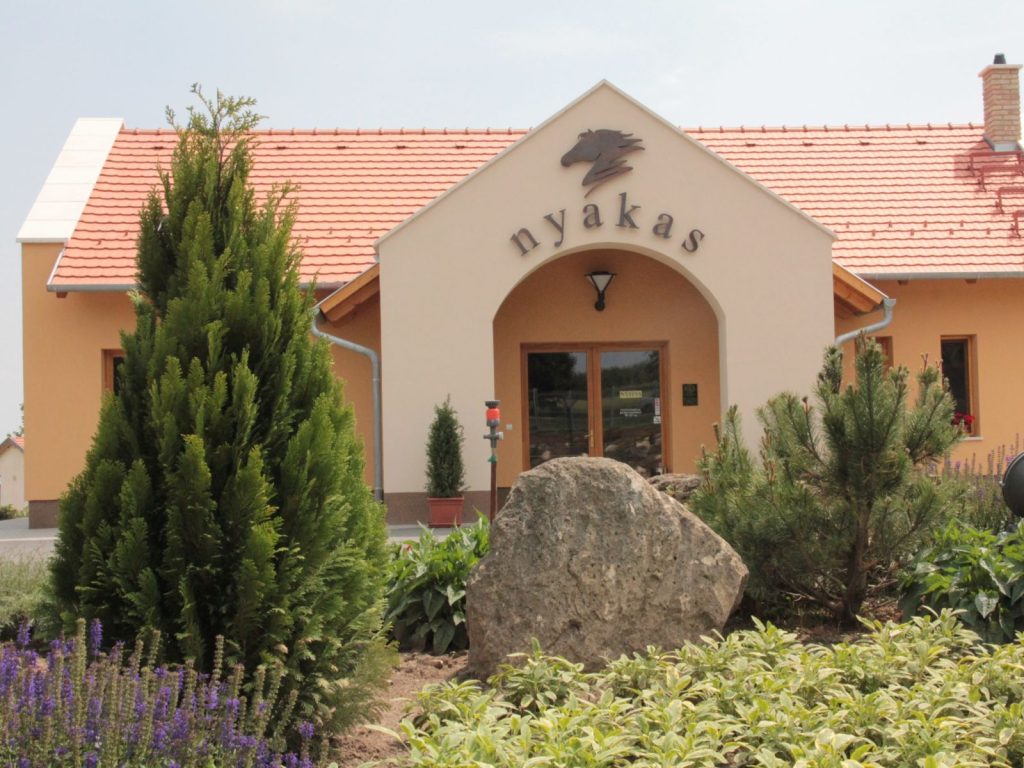
Bolyki Winery
A shining star of the Eger wine region, Bolyki Winery processes grapes from 27 hectares each year. According to their own philosophy, they love to showcase their expertise through blends—one of the best examples being their widely adored “Indian Summer,” bursting with delicious fruity and chocolate notes.
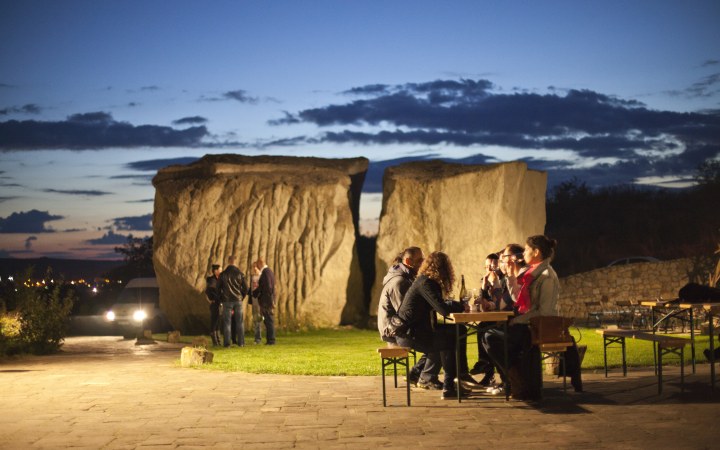
Dereszla winery
A special gem of the Tokaj wine region, this winery in Bodrogkeresztúr captivates wine lovers not only with its rich historical heritage but also with its exceptional wines. In addition to aszú wines, they produce a wide range of dry wines and sparkling wines, with 80% of their production exported to nearly 40 countries.
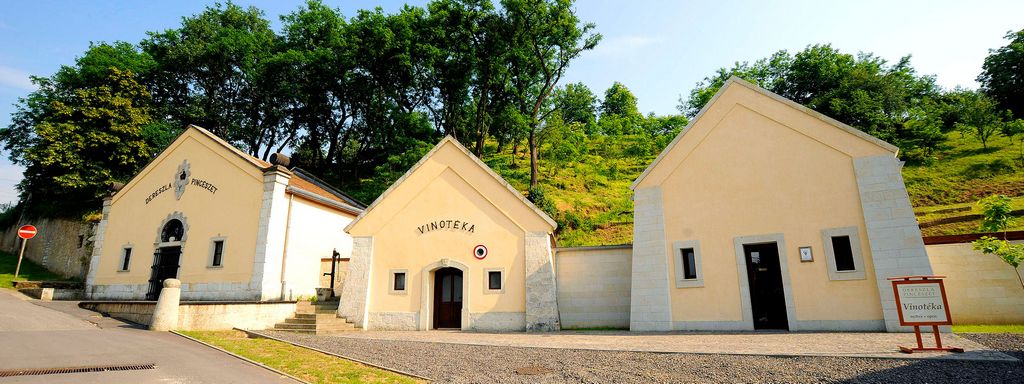
The future of Hungarian wine
In recent years, Hungary’s wine sector has seen significant development—not only in vineyard management and modern winemaking technologies, but also in production methods. Many winemakers are also experimenting with new grape varieties previously unknown in Hungary.
International trends are also influencing the domestic market, with producers adapting their offerings to changing demand. The rise of organic, natural, and biodynamic wines, for example, has a clear impact on Hungarian winemaking, as does the growing demand for low- and non-alcoholic wines.
At the same time, the industry faces challenges: climate change and increasingly extreme weather conditions often create difficult situations for producers, while changing alcohol consumption habits also require new and often hard-to-implement solutions.Nevertheless, Hungarian wine exports are clearly on the rise, with a 12,3 % increase recorded in 2024. It remains equally important to engage domestic consumers, which is why the Hungarian Wine Marketing Agency continues to promote Hungarian wines and a culture of moderate, responsible consumption.
And if you’ve been inspired to discover which Hungarian wine might become your favorite, head to Élesztő where you can taste a wide selection of unique Hungarian wines, always carefully curated for our guests.